

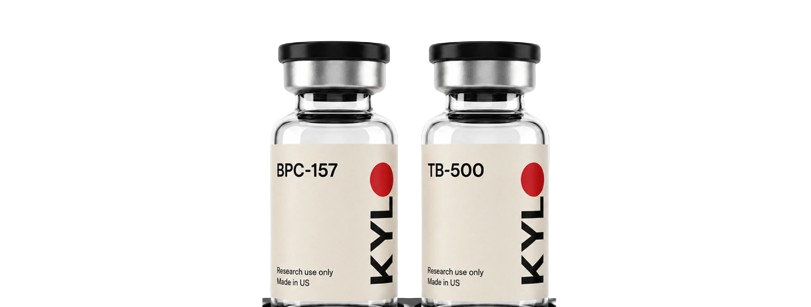
BPC-157, a peptide consisting of 15 amino acids, has garnered attention in recent years for its purported healing properties. Originating from a portion of human gastric juice, BPC-157 is believed to possess regenerative capabilities that could aid in the repair of tissues and expedite recovery processes. As interest grows within both scientific communities and among the general public, it becomes essential to examine these claims critically and explore the current state of research regarding this intriguing compound.
Proponents of BPC-157 assert that it can accelerate wound healing, reduce inflammation, and even repair damaged organs and tissues. These assertions are primarily based on preclinical studies conducted on animal models. For instance, some studies have demonstrated that BPC-157 may promote angiogenesis—the formation of new blood vessels—thereby enhancing blood flow to injured areas and facilitating quicker recovery. Furthermore, there is evidence suggesting that BPC-157 might play a role in protecting organs such as the liver from damage induced by toxins or other harmful agents.
Despite these promising findings in animal studies, it’s crucial to note that clinical trials involving humans are limited. The majority of existing research has yet to BPC-157 for healing be replicated or validated through rigorous human testing. Consequently, while early results appear encouraging, they do not provide definitive proof of efficacy or safety for human use.
One area where BPC-157 shows potential is in the treatment of inflammatory conditions like arthritis or inflammatory bowel disease (IBD). Inflammation plays a significant role in these ailments’ progression; thus, any agent capable of mitigating such responses holds therapeutic promise. Preliminary data suggest that BPC-157 might exert anti-inflammatory effects by modulating cytokine activity—a key player involved with immune response regulation—but further investigation remains necessary before drawing concrete conclusions about its utility here specifically.
Moreover—and perhaps most importantly—it must be emphasized how little we currently understand regarding possible side effects associated with prolonged usage at therapeutic doses: another reason why comprehensive clinical evaluation becomes paramount moving forward if indeed aiming towards eventual mainstream adoption across healthcare settings worldwide someday soon enough!
In summary then: although initial investigations into what makes up ‘Body Protection Compound’ seem tantalizingly hopeful given their implications concerning improved health outcomes via enhanced recuperative abilities overall among various patient populations alike potentially benefiting greatly thereof ultimately speaking… more work still lies ahead undoubtedly so long as researchers continue striving diligently alongside one another collaboratively pushing boundaries scientifically together always seeking better answers tomorrow than those available today!