

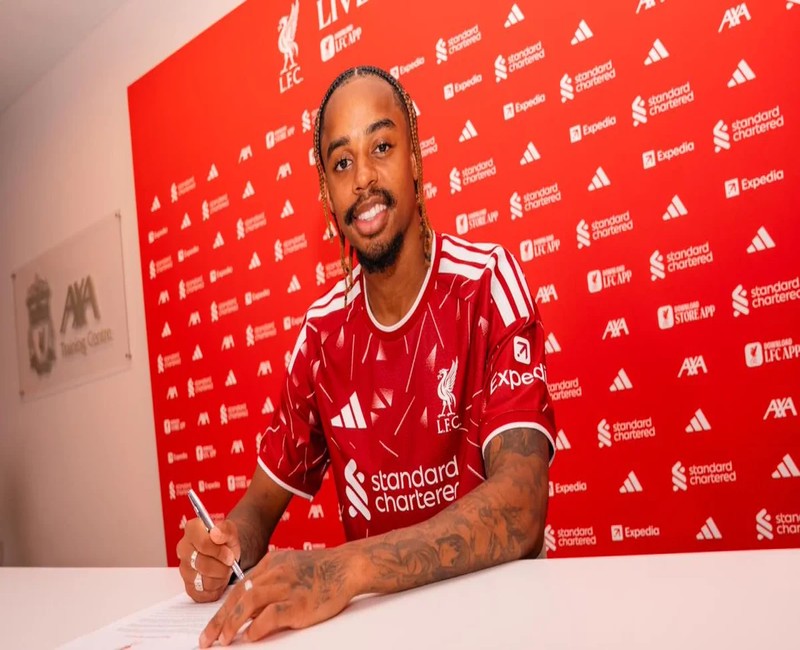
Bradley Barcola’s transfer to Liverpool has become a focal point of discussion in the football world, capturing the attention of fans and analysts alike. This move is not just another routine transfer; it represents a strategic acquisition by Liverpool that underscores their ambition to reinforce their squad with young, promising talent.
Barcola, who emerged as a standout performer at Olympique Lyonnais, has been on the radar of several top European clubs. His ability to play both as a winger and an attacking midfielder offers versatility that is highly prized in modern football. With his exceptional pace, dribbling skills, and keen eye for goal-scoring opportunities, Barcola has demonstrated qualities that align well with Liverpool’s dynamic style of play under manager Jürgen Klopp.
One of the primary reasons this transfer is drawing significant attention is due Bradley Barcola’s transfer to Liverpool make an immediate impact at Anfield. At just 20 years old, he possesses maturity beyond his years on the pitch. His performances in Ligue 1 have showcased his capability to handle high-pressure situations and deliver when it matters most—a trait that will be invaluable in the Premier League’s fast-paced environment.
Liverpool’s decision to invest in Barcola also reflects their long-term vision for squad development. The club has consistently shown interest in nurturing young talents who can develop into key players over time. By bringing Barcola into their ranks, Liverpool are not only strengthening their current squad but also securing a prospect who could become integral to their future successes.
Additionally, this transfer highlights Liverpool’s proactive approach in staying competitive amidst evolving challenges within European football. With rivals continually bolstering their squads with marquee signings, acquiring emerging stars like Barcola ensures that Liverpool remains at the forefront of competition both domestically and internationally.
The timing of this acquisition aligns perfectly with Liverpool’s ongoing efforts to rejuvenate certain areas within their team structure. As seasoned players reach different stages of their careers or depart for new ventures, integrating fresh talents like Barcola becomes crucial for maintaining balance and continuity within the squad dynamics.
Furthermore, fans are eager to see how Klopp will integrate Barcola into his tactical framework—known for its high-intensity pressing game coupled with swift counter-attacks—and what role he will carve out alongside established stars such as Mohamed Salah and Diogo Jota.
In conclusion, Bradley Barcola’s transfer signifies more than just a player moving clubs; it embodies strategic foresight from Liverpool aimed at sustaining competitiveness while embracing youthful exuberance capable of shaping future triumphs on multiple fronts—a narrative captivating enough to command widespread attention across global football circles.