

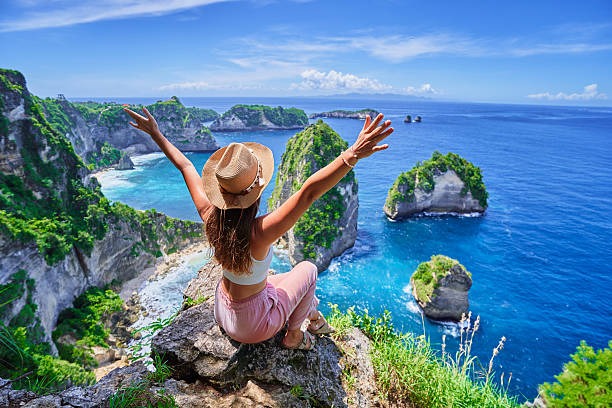
To explore the culinary landscape of Greece is to engage with a history that is as much about the soil and the sea as it is about ancient philosophy. For the Canadian traveller, moving from the vast, industrialised food systems of North America to the hyper-local traditions of the Mediterranean is a profound sensory awakening. In Greece, a meal is never just a collection of ingredients; it is a narrative of regional survival, seasonal abundance, and a deep-seated respect for the “slow food” movement that existed long before the term was coined.
Many visitors begin their journey by seeking out the convenience of Greece all inclusive packages to ensure a stress-free transition into the Hellenic rhythm. While a resort-based escape offers an immediate introduction to the national classics, a deeper Greece vacation allows for a more nuanced exploration of the micro-climates that define the archipelago. Choosing a curated package might satisfy a need for seaside relaxation, but venturing into the mountain villages and coastal tavernas reveals a culinary diversity that changes with every ferry crossing and mountain pass.
The secret to understanding these regional stories lies in the quality of the itinerary and the logistical ease of the transit. Greece all inclusive packages ensure their journey from the olive groves of the Peloponnese to the honey-scented hills of Crete is managed with professional care, booking through Travelodeal ensures every detail is handled by seasoned experts. As you settle into a local kafeneio, the grand history of the nation begins to feel more intimate, told through the bite of a wild green pie or the floral complexity of a family-pressed olive oil.
The Peloponnese: The Golden Oil
In the rugged heart of the Peloponnese, the story is written in the Kalamata olive. Here, the landscape is a silver-green sea of trees that have sustained civilizations for millennia. The cuisine is grounded and honest, focusing on the quality of the oil, the salt of the sea, and the fragrance of wild oregano. This is the land of slow-roasted lamb and sun-dried tomatoes, where the food reflects a temperament of endurance and a celebration of the earth’s most basic, perfect gifts.
The Aegean Islands: The Volcanic Table
Crossing to the Cyclades, the culinary rhythm shifts toward the elemental. In Santorini, the volcanic soil produces ingredients found nowhere else: the tiny, intensely sweet cherry tomatoes, the creamy fava beans, and the Assyrtiko grapes that thrive in the wind-swept pumice. On these islands, the food is a testament to the ingenuity of the people who have coaxed flavour from fire and stone. It is a lighter, more mineral-driven cuisine that mirrors the bright white architecture and the crystalline light of the sea.
Crete: The Island of Longevity
Crete operates as a country within a country, possessing a culinary identity so strong it has become a global standard for healthy living. The Cretan diet is defined by the mountain—wild greens (horta), pungent cheeses, and the legendary dakos barley rusks. The personality of the food here is bold and unpretentious. It is a cuisine that tells a story of self-sufficiency and a fierce connection to the land, where a shared meal is a sacred act of hospitality that bridges the gap between stranger and friend.
Epirus and the North: The Art of the Pie
In the mountainous north, the landscape becomes greener and the temperatures cooler, leading to a shift toward the hearty and the comforting. This is the region of the pitas intricate, hand-stretched pastry pies filled with everything from local mountain herbs to smoked cheeses. The culinary tradition here reflects a history of shepherd life and high-altitude winters. It is a more robust, textural cuisine that provides a warm, earthy counterpoint to the light, seafood-heavy menus of the southern coasts.
Reflection on the Greek Horizon
Greek cuisine serves as a reminder that the best way to understand a culture is to sit at its table. Each regional dish is a living piece of history, proving that the most enduring stories are the ones that are passed down through the hands of the cook. By the time you reach the end of your journey, you realize that the real magic of Greece isn’t found in a single monument, but in the collective memory of a nation that continues to find beauty in its simplest ingredients. The horizon remains wide and inviting, promising that there is always another village, and another flavour, waiting to be discovered.